



What are the best knitted fabric OEM manufacturers in the world?
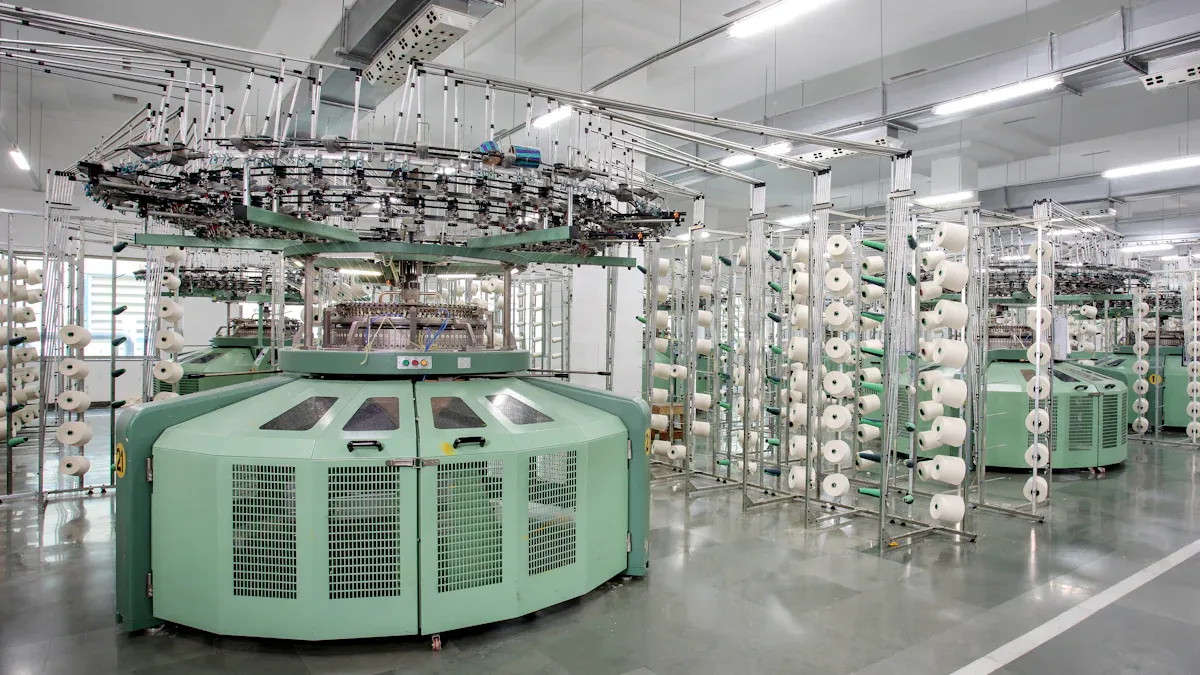
Toray Industries (Japan) stands out for advanced technical knits. Shenzhou International (China) leads in vertically integrated knitwear. Eclat Textile Co. Ltd. (Taiwan) excels in high-end activewear. Milliken & Company (USA) offers advanced material science in knits. Pontetorto (Italy) garners renown for luxury and sustainable knits. Shaoxing Suerte Textile Co., Ltd. (China) provides diverse knitted textile products. These prominent knitted fabric OEM manufacturers drive innovation and quality in the global textile industry.
Key Takeaways
- Top knitted fabric makers are worldwide. They offer many types of fabrics.
- Asian makers offer low costs. They have many fabric choices and fast production.
- European makers focus on luxury. They also make new and eco-friendly fabrics.
- North American makers use new technology. They face challenges like high costs.
- Leading makers like Toray and Shenzhou offer special fabrics. They also have large production.
- Choose a maker based on quality. Also check their special skills and eco-friendly ways.
- New trends include smart factories. They also include recycling and custom orders.
Top Global Knitted Fabric OEM Manufacturers: An Overview
Leading Knitted Fabric OEM Manufacturers in Asia
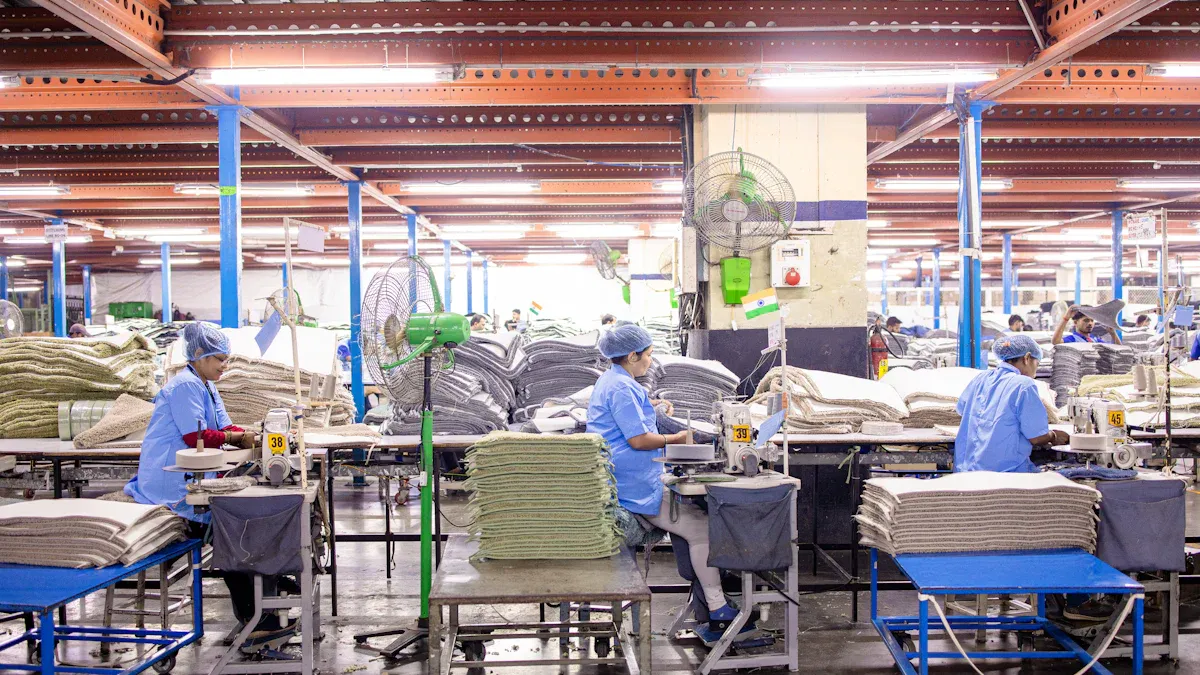
Asia stands as a powerhouse in the global textile industry, particularly for knitted fabrics. Manufacturers in this region offer significant competitive advantages. Lower labor costs in countries like China, Bangladesh, and Vietnam substantially reduce manufacturing expenses. Proximity to essential raw materials such as cotton and silk also lowers transportation costs and shortens lead times. Favorable trade agreements further facilitate cost-effective product exports. Governments often provide support through incentives like tax breaks and subsidies, which encourage industry growth. The established manufacturing infrastructure efficiently supports large-scale clothing production.
Toray Industries (Japan)
Shenzhou International (China)
Eclat Textile Co. Ltd. (Taiwan)
Texhong Textile Group (China)
Youngone Corporation (South Korea/Bangladesh)
Shaoxing Suerte Textile Co., Ltd. (China)
Thygesen Textile Vietnam (Vietnam)
Tongxiang Zhuoyi Textile (China)
Hengli Group (China)
Shenghong Group (China)
Fuji Fashion (Global/Asia)
Ocean Lanka (Sri Lanka)
Synergies India (India)
Prominent Knitted Fabric OEM Manufacturers in Europe
European knitted fabric manufacturers are renowned for their focus on luxury, innovation, and sustainability. They often lead in developing high-performance and eco-friendly textiles.
Pontetorto (Italy)
Sofileta (France)
Penn Textile Solutions (Germany)
Key Knitted Fabric OEM Manufacturers in North America
North American knitted fabric OEM manufacturers face unique challenges despite their technological advancements. They navigate intense competition and rapidly evolving technology. Manufacturers must constantly adapt to changing market demands. High upfront costs for equipment, such as durable cradle systems, can deter smaller and mid-sized textile companies. Retrofitting older infrastructure requires additional capital and downtime. The complexity of transporting and handling cradles across varied textile operations also presents difficulties, especially in high-volume or multi-facility environments. Variability in roll sizes and materials necessitates custom solutions, leading to longer lead times and increased engineering input. Furthermore, supply chain volatility for raw materials, influenced by global trade fluctuations and material shortages, impacts production schedules and delivery times for essential components like steel and polymers.
Milliken & Company (USA)
Polartec (USA)
DuPont (USA)
Invista (USA)
Detailed Profiles of Leading Knitted Fabric OEM Manufacturers
Toray Industries (Japan)
Toray Industries, a global leader in advanced materials, consistently pushes the boundaries of textile innovation. The company's expertise in polymer chemistry and fiber technology positions it at the forefront of high-performance knitted fabric development. Toray's commitment to research and development drives its ability to create materials that meet the demanding requirements of various industries.
Advanced Technical Knits
Toray Industries develops highly functional knitted fabrics for diverse applications. One notable example is FIELDSENSOR™, a perspiration-absorbing, quick-drying knitted fabric. This material features a different density multilayer structure for advanced moisture management. It continuously absorbs perspiration, transports it to the outer surface for rapid evaporation, and uses sophisticated fiber technology for comfort. An advanced version, FIELDSENSOR™ BYOKAN, utilizes Toray's proprietary single jersey knitting technology. This fabric achieves outstanding moisture management while maintaining lightness. It provides high toughness and offers a soft, smooth touch. FIELDSENSOR™ BYOKAN also boasts ultra-fast drying of the skin surface due to a special back tucking structure.
Research and Development Focus
Toray Industries maintains a strong focus on research and development, leading to continuous innovation in knitted fabric technology. The company actively pursues sustainable materials and digital knitting innovations. KARUISHI™ exemplifies this focus; it is a light, warm, and durable high-volume knitted fabric. KARUISHI™ features strong abrasion resistance due to a special knitting structure. This structure connects abrasion-resistant brushed yarn only to back yarn, not showing on the front surface. It also minimizes microplastic emission through high abrasion resistance, which reduces loose fiber shedding and pilling. Furthermore, KARUISHI™ utilizes raw materials regenerated from plastic product waste, contributing to reduced consumption of underground resources and waste. Toray also developed Ultrasuede®, a non-woven material with a suede texture, created using advanced ultra-fine fiber technologies. Ultrasuede® nu, another innovation, is a non-woven material designed to mimic genuine grain leather, also created using ultra-fine fibers.
Global Reach and Innovation
Toray Industries operates globally, supplying its innovative knitted fabrics to markets worldwide. Its extensive network and continuous investment in cutting-edge technology allow it to serve a broad range of clients. The company's dedication to innovation ensures it remains a key player in the advanced textile industry.
Shenzhou International (China)
Shenzhou International stands as one of the world's largest vertically integrated knitwear manufacturers. The company's comprehensive operational model covers everything from spinning and knitting to dyeing, printing, and garment manufacturing. This integration allows Shenzhou to maintain strict quality control and achieve significant production efficiencies.
Vertically Integrated Knitwear Production
Shenzhou International's vertical integration provides a distinct competitive advantage. This model allows the company to control every stage of production, from raw material sourcing to finished garment delivery. This ensures consistent quality, reduces lead times, and enhances responsiveness to market demands. The company's ability to manage the entire supply chain makes it a reliable partner for global brands.
High-Quality Knitted Products
The company consistently delivers high-quality knitted products across various categories. Its advanced manufacturing processes and rigorous quality checks ensure that all fabrics and garments meet international standards. Shenzhou International's commitment to quality has earned it a strong reputation among its global clientele.
Large-Scale Manufacturing Capabilities
Shenzhou International possesses immense manufacturing capabilities, enabling it to handle large-volume orders for some of the world's most prominent apparel brands. Its client roster includes major global players such as Nike, Adidas, Uniqlo, and Puma. Nike alone contributed 30% of Shenzhou's 2019 revenue, while Adidas contributed 22%. Shenzhou has also been a supplier to Uniqlo since 1997. This extensive client base underscores the company's capacity and reliability as a leading knitted fabric OEM manufacturer.
Eclat Textile Co. Ltd. (Taiwan)
Eclat Textile Co. Ltd. specializes in high-performance and fashion-forward knitted fabrics, particularly for the activewear and athleisure markets. The company combines innovative design with advanced manufacturing techniques to create materials that meet the evolving needs of consumers.
High-End Activewear and Athleisure
Eclat Textile Co. Ltd. excels in producing high-end fabrics for activewear and athleisure. Its materials offer superior comfort, performance, and style, making them ideal for sports apparel, yoga wear, and casual athletic clothing. The company's focus on these segments allows it to develop specialized fabrics that cater to specific consumer demands.
Vertical Integration Capabilities
Eclat Textile also benefits from strong vertical integration, which encompasses knitting, dyeing, finishing, and garment manufacturing. This integrated approach ensures consistent quality and efficient production. It also allows for greater flexibility in design and development, enabling Eclat to quickly bring new products to market.
Design and Innovation Services
Eclat Textile provides comprehensive design and innovation services, working closely with brands to develop unique fabric solutions. The company offers unique fabric technologies for activewear. Its Anti-Bacterial Fabric, part of Eclat’s BodyCare® collection, incorporates freshness-enhancing technologies to control the growth of odor-causing bacteria. Eclat also develops Odor Resistant Yarns, which utilize new treatments to neutralize body odor. For cooling properties, the company uses Cool Sensation Composite Mineral Powder. This technology slows the endothermic rate and accelerates thermal diffusion, providing a cool feel. It also contributes to energy savings and reduced CO2 emissions. These innovations highlight Eclat's commitment to advanced textile solutions.
Milliken & Company (USA)
Milliken & Company, a global manufacturing leader, applies its expertise in material science to create innovative knitted fabrics. The company consistently develops advanced solutions for various industries.
Advanced Material Science
Milliken & Company demonstrates its commitment to advanced material science through groundbreaking innovations. Its brand, Polartec, introduced 'Shed Less Technology,' which significantly reduces fiber fragmentation during laundering. This technology integrates advancements in yarn construction, knitting, chemistry, and manufacturing processes. The Polartec® 200 Series Fleece, a modern version of the original PolarFleece® launched in 1981, became the first product to incorporate this technology. Polartec also pioneered the use of recycled materials in performance knits, creating the first performance fleece knit from recycled plastic bottles in 1993. In 2018, Polartec developed Power Air, a fabric constructed to contain lofted fibers, preventing breakage and maintaining heat retention. The company uses the AATCC TM212-2021 test method to measure fiber fragment release during home laundering. This focus on reducing environmental impact aligns with initiatives like TextileMission, a three-year collaborative effort funded by the German Federal Ministry of Education and Research. Polartec initially launched Shed Less Fleece in the United States, making it available to customers starting March 1, 2023.
| Contribution | Detail |
|---|---|
| Shed Less Technology | Reduces home laundry fiber fragment shedding by an average of 85% |
| Polartec® 200 Series Fleece | First fabric to incorporate Shed Less Technology; modern version of original PolarFleece® launched in 1981; first performance fleece knit from recycled plastic bottles in 1993 |
| Polartec Power Air | Developed in 2018; constructed to contain lofted fibers to prevent breakage and maintain heat retention |
| AATCC TM212-2021 | Test method used for fiber fragment release during home laundering |
| TextileMission | Three-year collaborative initiative funded by the German Federal Ministry of Education and Research |
| Shed Less Fleece Launch | Initially launched in the United States, available to customers beginning March 1, 2023 |
Diverse Industrial and Performance Knits
Milliken & Company produces a wide array of knitted fabrics for both industrial and performance applications. Its products serve sectors ranging from automotive and protective textiles to apparel and home furnishings. The company's diverse portfolio reflects its ability to engineer fabrics for specific functional requirements, such as durability, comfort, and safety.
Innovation and Sustainability Leadership
Milliken & Company consistently leads in innovation and sustainability. The company invests heavily in research and development, creating materials that offer both superior performance and environmental responsibility. Its commitment to sustainable practices extends throughout its operations, from product design to manufacturing processes.
Pontetorto (Italy)
Pontetorto, an Italian textile manufacturer, holds a strong reputation for producing high-quality, luxurious knitted fabrics. The company combines traditional craftsmanship with modern innovation.
Luxury and Fashion Knits
Pontetorto excels in creating luxury and fashion knits. Its fabrics often feature in high-end apparel and designer collections. The company's attention to detail, sophisticated textures, and rich color palettes appeal to the discerning fashion market.
Sustainable and Recycled Fabrics
Pontetorto demonstrates a strong commitment to sustainability through its production processes. The company actively recovers textile waste generated during its finishing process. This waste, previously destined for disposal, undergoes meticulous recovery, separation by color, and cleaning of impurities. Pontetorto then converts this material into new recycled fibers for weaving. All these processing steps adhere to strict sustainability standards, resulting in fully recycled fabrics. This approach not only promotes sustainability but also helps reduce disposal costs for manufacturers.
Pontetorto utilizes its T2T system to repurpose end-of-life garments and production waste into new yarns through advanced mechanical processes, driving a circular textile economy. The company employs cutting-edge technology for an in-house circularity approach, closing the loop in textile production. Pontetorto makes constant investments in cutting-edge technologies and advanced recycling systems to produce ethical and sustainable end-products. They use the finest raw materials, incorporate the traditional Prato culture of circular textiles, and utilize recycled or biodegradable yarns. Pontetorto holds various certifications, including Protocol ZDHC, FEM and FSLM verification, ISO 9001:2015, and ISO 14001, demonstrating adherence to environmental and social responsibility standards.
Design-Driven Innovation
Pontetorto's innovation is heavily design-driven. The company works closely with fashion brands to develop unique fabrics that meet specific aesthetic and performance requirements. Its ability to blend creative design with advanced textile technology keeps it at the forefront of the luxury knit market.
Shaoxing Suerte Textile Co., Ltd. (China)
Shaoxing Suerte Textile Co., Ltd., established in 2011, operates from Shaoxing, China, Asia's largest textile collecting and distributing center. The company focuses on continuous improvement in quality, cost control, and customer service. It strives to lead in product development and innovation in new technologies.
Diverse Knitted Textile Product Range
Shaoxing Suerte Textile Co., Ltd. offers a diverse range of knitted textile products. The company provides hundreds of product types. Some popular offerings include:
- Hot Sale Double Brushed Polyester DBP Fabric for Garment (Technics: Knitted)
- High-Quality Hot Sale Knitted Rib Fabric for Garment (Technics: Knitted)
- Digital Printing Breathable Elastic DTY Fabric Knitted for Kids Dressing
- Polyester Spandex Stretch Knitted Plain Jersey Yoga Fabric 250 GSM for Legging
- Cost Effective Suerte Medium Strength Rib Printed Fabric for Apparel
- TDV701 - Rib Melange Knitted Fabric
- KNIT FABRIC
Specialization in Various Knitted Series
Shaoxing Suerte specializes in various types of knitted textile products. Its single-sided series includes cotton spandex single jersey, rayon (spandex) single jersey, ITY, DTY, FDY, TR spandex single jersey, TC spandex single jersey, CVC spandex jersey, color striped jersey, slub yarn, and pique mesh. Double-sided series feature air layer health fabric, Roma fabric, ottoman fabric, bird eye fabric, waffle, and double-sided jacquard fabric. The rib series offers 1×1 rib, 2×2 rib, and French rib. Flannel series include single-sided fleece, double-sided fleece, terry cloth, polar fleece, and ant fabric. The company also produces functional fabrics with properties such as moisture wicking, anti-flaming, anti-static, anti-ultraviolet, and anti-bacterial. They offer various dyeing, jacquard, printing, burnt-out, and yarn-dyed processes. This comprehensive range makes them a versatile knitted fabric OEM manufacturers.
Global Export Capabilities
Shaoxing Suerte Textile Co., Ltd. possesses its own import and export rights. Its products reach customers in the Middle East, Europe, South America, the United States, and other countries and regions. The company has developed a complete operating system and employs a skilled import and export business operation team, ensuring efficient global trade.
Texhong Textile Group (China)
Texhong Textile Group stands as a leading textile manufacturer in China, known for its extensive operations and significant market presence. The company has built a reputation for its comprehensive production capabilities and diverse product offerings.
Large-Scale Production Capacity
Texhong Textile Group operates on a massive scale, possessing substantial production capacity. This allows the company to meet the demands of large international clients and handle high-volume orders efficiently. Their extensive facilities and advanced machinery contribute to their ability to produce vast quantities of knitted fabrics.
Diverse Product Portfolio
The company offers a diverse product portfolio, catering to a wide range of textile needs. Texhong produces various types of yarns and fabrics, including cotton, synthetic, and blended materials. This versatility enables them to serve different segments of the apparel and textile industries, from casual wear to specialized applications.
Cost-Effectiveness and Efficiency
Texhong Textile Group prioritizes cost-effectiveness and operational efficiency. Their integrated production processes and economies of scale allow them to offer competitive pricing without compromising quality. The company continuously invests in modern technology and streamlined management practices to optimize production and reduce overheads.
Youngone Corporation (South Korea/Bangladesh)
Youngone Corporation, a global leader in outdoor and athletic apparel manufacturing, operates with a strong focus on innovation and responsible production. The company has a significant manufacturing footprint, particularly in Bangladesh.
Outdoor and Performance Apparel Focus
Youngone Corporation specializes in producing high-quality outdoor and performance apparel. They develop and manufacture technical garments designed for demanding environments and active lifestyles. Their expertise lies in creating functional fabrics and apparel that offer durability, comfort, and protection for athletes and outdoor enthusiasts.
Integrated Manufacturing Solutions
The corporation provides integrated manufacturing solutions, overseeing the entire production process from design and development to final garment assembly. This comprehensive approach ensures consistent quality and efficient delivery. Youngone's integrated model allows for greater control over product specifications and faster response times to market trends.
Ethical Production Standards
Youngone Corporation maintains a strong commitment to ethical production standards. They are certified to NSF International’s Global Traceable Down Standard (Global TDS), which demonstrates their dedication to high animal welfare standards and full traceability of down from its original sources. The company states a commitment to high ethical standards in production, contributing to socio-economic development in the countries where they operate. In response to allegations of mistreatment at a factory, a Youngone Corporation representative affirmed the company's full commitment to providing a safe, fair, and just working environment across all its facilities. They also noted the availability of a complaint submission process for employees and the initiation of an internal review. Youngone focuses on improving community welfare and maintaining a safe and fair work environment, particularly in countries like Bangladesh where they have a significant presence.
Thygesen Textile Vietnam (Vietnam)
Thygesen Textile Vietnam has established itself as a prominent player in the textile industry, leveraging decades of experience and a strong commitment to quality. The company offers comprehensive solutions for knitted fabric and garment production.
In-House Yarn and Fabric Expertise
Thygesen Textile Vietnam possesses extensive in-house expertise in yarn and fabric production. They control the entire process from knitting to dyeing and sewing. This integrated capability ensures high quality and consistency across their product lines.
Extensive Knit Fabric Manufacturing Knowledge
The company demonstrates strong capacity and long-term experience in textile product development, manufacturing, and trading. They produce knitted fabrics and various ready-made knitted garments, including activewear, workwear, hospital wear, kidswear, underwear, and casual & fashion wear. Thygesen Textile Vietnam offers a 'ONE-STOP-SHOP' setup, managing everything from knitting to ready-made garments. They also provide full-package OEM/ODM solutions and innovative product development consulting.
Focus on Quality and Experience
Thygesen Textile Vietnam maintains a high commitment to international quality standards. They have over 90 years of experience in the textile industry. The company employs a professional management and working team. They utilize sustainable and efficient manufacturing processes, including a LEAN system. Continuous R&D efforts, supported by practical tools, methods, and work instructions, drive their innovation. They operate a high-technology machine system and advanced machinery for efficient operations and consistent quality. Thygesen Textile Vietnam also sources high-quality, sustainable materials certified by GOTS, OCS, FSC, GRS, and OEKO-TEX® Standard 100. These capabilities make them one of the leading knitted fabric OEM manufacturers in the region.
Polartec (USA)
Specializations and Unique Offerings of Knitted Fabric OEM Manufacturers
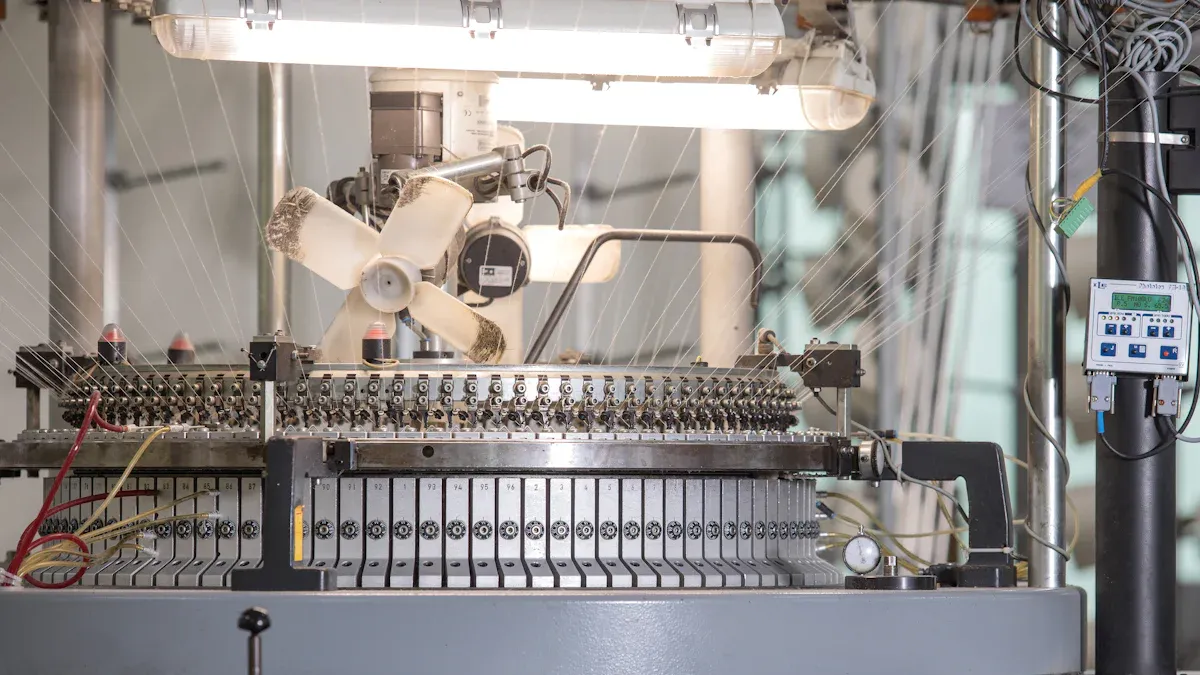
Knitted fabric OEM manufacturers distinguish themselves through specialized offerings that cater to diverse market needs. These specializations range from high-performance technical textiles to luxurious fashion materials and sustainable options.
Performance and Technical Knits
Performance and technical knits provide advanced functionalities for demanding applications. Manufacturers engineer these fabrics to offer specific benefits, enhancing user comfort and safety.
Moisture-Wicking and Breathable Fabrics
Moisture-wicking and breathable fabrics are essential for activewear and sportswear. They draw sweat away from the body, allowing it to evaporate quickly, which keeps the wearer dry and comfortable. The market for these fabrics shows significant growth. In 2024, the market size reached $2.82 billion, with a projected increase to $3.01 billion in 2025, representing a 6.7% CAGR. Experts forecast the market to reach $3.86 billion by 2029, growing at a 6.4% CAGR from 2025-2029. This growth stems from an increasing focus on health and wellness, the rising popularity of fitness and sports, and a growing awareness of comfort and convenience. The breathable fabrics market alone was valued at US$ 1.0 billion in 2023, with a forecast to reach US$ 2.4 billion by 2034, growing at an 8.0% CAGR. This demand is driven by a growing need for comfortable clothing, increased participation in physical activities, and fast urbanization.
Anti-Flaming and Anti-Static Properties
Manufacturers integrate anti-flaming and anti-static properties into knitted fabrics for protective clothing and industrial applications. These features provide crucial safety benefits, preventing fire spread and mitigating electrostatic discharge risks.
UV Protection and Anti-Bacterial Treatments
UV protection and anti-bacterial treatments enhance fabric functionality. UV-protective fabrics shield the skin from harmful sun rays, making them ideal for outdoor apparel. Anti-bacterial treatments inhibit microbial growth, reducing odors and maintaining freshness, particularly in activewear and medical textiles.
Sustainable and Eco-Friendly Knits
The demand for sustainable and eco-friendly knits continues to rise as environmental consciousness grows. Manufacturers respond by developing innovative materials and processes.
Recycled and Bio-Based Materials
Manufacturers increasingly use recycled and bio-based materials to produce sustainable knits. Recycled polyester, derived from plastic bottles, and bio-based fibers, sourced from plants, reduce reliance on virgin resources and lower environmental impact.
Organic and Certified Fabrics
Organic and certified fabrics ensure environmentally and socially responsible production. The Global Organic Textile Standard (GOTS) stands as the leading international certification for organic textiles, including knitted fabrics. It covers the entire supply chain, from farm to finished yarn. GOTS is widely recognized as the gold standard in sustainable textiles due to its comprehensive environmental and social responsibility requirements. It is also one of the most recognized and comprehensive certifications for organic cotton.
Closed-Loop Manufacturing Processes
Closed-loop manufacturing processes minimize waste and maximize resource efficiency. These systems recycle materials continuously, reducing landfill contributions and conserving natural resources.
Fashion and Luxury Knits
Fashion and luxury knits combine aesthetic appeal with comfort and innovative design. These fabrics cater to high-end apparel markets.
High-End Apparel Fabrics
High-end apparel fabrics utilize knitted constructions for their inherent stretch, drape, and comfort. Jersey knit fabric, traditionally associated with casual wear, has entered high-end fashion due to its unexpected versatility. Luxury fashion houses now use jersey knit for elegant evening gowns, tailored blazers, and sophisticated jumpsuits, combining style and comfort.
Design-Driven and Innovative Textures
Design-driven and innovative textures define luxury knits. 3D knitting enables manufacturers to create complex designs with minimal waste, producing seamless garments that offer comfort and reduce fabric wastage. Circular knitting machines also create fabrics quickly and efficiently. Manufacturers integrate traditional techniques with modern machinery to create unique textures and patterns. This combination allows for a wider range of fabric designs, appealing to both contemporary and traditional markets. AI-assisted pattern generation creates unique knitting patterns based on consumer preferences, offering limitless customization possibilities. Digital printing technology allows complex and intricate patterns to transfer onto fabric without compromising comfort and stretchiness.
Specialized Finishing for Premium Feel
Specialized finishing techniques enhance the premium feel of luxury knits. These processes improve softness, drape, and overall tactile quality, contributing to the luxurious experience of the garment.
Industrial and Specialized Knits
Industrial and specialized knits serve critical functions across various sectors. Manufacturers engineer these fabrics for specific performance requirements, often exceeding the demands of conventional textiles. They provide solutions for safety, durability, and advanced functionality.
Medical and Protective Textiles
Knitted textiles are crucial for medical and protective applications. They form essential components in hygiene products and infection control textiles. Manufacturers also use them for wound dressings, surgical masks, and the cuffs and cords of surgical gowns. Knitted fabrics find application in areas involving tissue contact or regeneration, and even surgical implantation. Tubular gauze, earloop materials for masks, and stents also utilize knitted structures. Beyond basic medical supplies, knitted fabrics enable advanced patient care. They facilitate sensor-based wearable electronics for patient health monitoring. This includes wearable electrocardiograph/heart rate monitors, which use specially developed knitted yarns as electrical capacitors. Furthermore, whole-garment knitted solutions offer therapeutic benefits. These include face masks with superior fit, comfort, and filter pouches. Compression gloves address orthopedic problems, arthritis, and lymphedema. Compression tights aid post-exercise blood lactate elimination and athletic recovery. Compression knee braces improve the function of operated knees and fix joint positions. Partition socks enhance toe structure and treat lymphedema.
Automotive and Upholstery Fabrics
Knitted fabrics find extensive use in automotive interiors. They cover seats, headliners, and door panels. These fabrics offer durability, comfort, and aesthetic appeal. Their inherent stretch and conformability allow for seamless integration into complex automotive designs. In upholstery, knitted materials provide resilience and a wide range of textures for furniture. They contribute to both the comfort and the visual design of interior spaces.
Custom Engineered Solutions
Many knitted fabric OEM manufacturers offer custom engineered solutions. They work closely with clients to develop fabrics for unique applications. This involves specialized design and technical expertise. These solutions ensure the fabric meets precise performance and aesthetic requirements. Whether for niche industrial uses or highly specialized protective gear, custom engineering provides tailored textile innovations.
Factors to Consider When Choosing Knitted Fabric OEM Manufacturers
Selecting the right knitted fabric OEM manufacturers requires careful consideration of several critical factors. Brands must evaluate potential partners based on their adherence to quality, technical capabilities, and commitment to sustainable and ethical practices.
Quality and Consistency Standards
Maintaining high quality and consistency is paramount for any textile product. Manufacturers must demonstrate robust systems to ensure product excellence.
Material Sourcing and Certifications
Reputable manufacturers prioritize responsible material sourcing. They ensure raw materials meet specific quality benchmarks. Certifications for materials provide assurance of their origin and composition.
Production Process Control and QA
Effective production process control and quality assurance (QA) are essential. Manufacturers implement online quality control measures. These include checking raw materials for faults, ensuring proper absorbency, and verifying chemical concentrations. They also monitor specific gravity, water level, pH, time, and temperature at each production stage. Lab-dip preparation is crucial for shade matching and detecting dye/chemical characteristics before bulk production.
Testing and Inspection Protocols
Manufacturers conduct various tests on the final product to meet buyer norms. These offline quality control tests include finished diameter, GSM, shade, light fastness, shrinkage, wash fastness, rubbing fastness, pilling, and perspiration tests. Meticulous inspection by QC professionals is a cornerstone of quality assurance for knitted fabrics. This involves visual inspection for irregularities, weight and thickness measurement, tensile strength testing, dimensional stability evaluation, and colorfastness assessment.
Specialization and Technical Capabilities
A manufacturer's specialization and technical capabilities directly impact their ability to meet specific product requirements.
Fabric Types and Construction Expertise
Manufacturers often possess expertise in particular fabric types and construction methods. This includes various knit structures, blends, and gauges. Their knowledge ensures the production of fabrics suitable for intended applications.
Finishing and Treatment Options
Knitted fabrics can undergo various finishing and treatment options. These processes enhance appearance, tactile qualities, and performance. Mechanical finishing includes raising, shearing, peach finish, embossing, pleating, compacting, decatizing, heat setting, and calendaring. Chemical finishing options include antistatic, antipilling, easy care, moth proofing, wicking, antimicrobial, flame resistant, water repellent, perchmentisation, and cool finish treatments.
Design and Development Support
Leading manufacturers offer design and development support. They collaborate with clients to create innovative fabric solutions. This support can range from material selection to prototyping and custom engineering.
Sustainability and Ethical Practices
The textile industry increasingly emphasizes sustainability and ethical production. Choosing manufacturers committed to these principles is vital.
Environmental Certifications (e.g., GOTS, Oeko-Tex)
Environmental certifications provide independent verification of sustainable practices. GOTS (Global Organic Textile Standard) certification ensures the entire production process, from raw material harvesting to manufacturing, meets stringent environmental and social criteria. This means garments are free from harmful chemicals and produced under fair labor conditions. OEKO-TEX Standard 100 certification guarantees the fabric is tested for harmful substances. It ensures the product is free from chemicals that could pose health risks, prioritizing user well-being and comfort.
Social Compliance and Labor Standards
Manufacturers must adhere to social compliance and labor standards. This includes fair wages, safe working conditions, and no child labor. Audits and certifications verify these practices.
Supply Chain Traceability and Transparency
Traceability and transparency throughout the supply chain are crucial. Manufacturers should provide clear information about their sourcing and production processes. This allows brands to verify ethical and sustainable claims.
Communication and Collaboration Effectiveness
Effective communication forms the backbone of successful OEM partnerships. Brands must choose manufacturers that prioritize clear, consistent, and responsive interaction.
Responsiveness and Customer Support
Manufacturers must offer prompt and helpful customer support. They should respond quickly to inquiries and address concerns efficiently. Establishing clear expectations at the outset minimizes misunderstandings. This proactive approach ensures smooth operations and builds trust between partners.
Language and Cultural Understanding
Successful international collaborations require strong language skills. Team members must possess adequate proficiency, often in English, or another agreed-upon language. This prevents misinterpretations and facilitates accurate information exchange. Understanding cultural nuances also helps foster stronger working relationships.
Project Management and Timelines
Effective project management relies on clear communication channels. Partners should establish communication methods early in the process. They can assign specific channels for different needs. For example, email works well for reports, video calls suit meetings, and chat applications handle quick questions. This strategy improves productivity and reduces distractions. Integrating various tools, such as inventory management and CRM systems, also streamlines communication. This improves data consistency and reduces operational friction.
Cost-Effectiveness and Lead Times
Cost-effectiveness and reliable lead times are crucial considerations for any brand. Manufacturers must offer competitive pricing and adhere to agreed-upon schedules.
Pricing Structures and Minimum Order Quantities (MOQs)
Brands must understand a manufacturer's pricing structures and minimum order quantities (MOQs). Several factors influence MOQs for knitted fabrics. Design complexity plays a role; intricate designs require specialized technology and more production time, leading to higher MOQs. The choice of material also impacts MOQs. Sourcing specialized or sustainable fibers, especially from overseas, increases costs for the manufacturer, resulting in higher MOQs. Readily available, standard materials can help lower MOQs. The overall manufacturing process cost, including utilities and specialized machinery, directly affects MOQs. Higher manufacturing costs mean higher MOQs. Product type also matters. Mass-produced items, like basic T-shirts, often have lower MOQs. However, highly specialized or intricately embellished knitted fabrics will likely have much higher MOQ requirements. OEMs also consider MOQs from their raw material suppliers. If a supplier has a high MOQ, the OEM must set a higher MOQ for their finished knitted fabrics to cover these costs.
Production and Shipping Schedules
Reliable production and shipping schedules are essential for market entry and inventory management. Manufacturers must provide realistic timelines and consistently meet them. Delays can impact a brand's reputation and financial performance.
Payment Terms and Flexibility
Brands should evaluate payment terms and a manufacturer's flexibility. Favorable payment terms can improve cash flow. Flexibility in payment arrangements can also be beneficial, especially for new partnerships or evolving business needs.
Location and Logistics Considerations
A manufacturer's location significantly impacts logistics, costs, and risk. Brands must assess these factors carefully.
Proximity to Supply Chain and Markets
Proximity to raw material suppliers and target markets can reduce transportation costs and lead times. This geographical advantage streamlines the supply chain and enhances responsiveness.
Shipping Costs and Efficiency
Location directly influences shipping costs and efficiency. Manufacturers situated near major ports or transportation hubs can offer more economical and faster shipping options. This reduces overall landed costs for the brand.
Geopolitical Stability and Risk Assessment
Brands must assess the geopolitical stability of a manufacturer's location. Political instability, trade disputes, or natural disasters can disrupt production and supply chains. A thorough risk assessment helps brands mitigate potential issues and ensure business continuity.
Emerging Trends in Knitted Fabric OEM Manufacturing
<<<START_SECTION_CONTENT>>>
Emerging Trends in Knitted Fabric OEM Manufacturing
The knitted fabric industry constantly evolves. New technologies and changing consumer demands drive significant shifts. Manufacturers adapt to these trends, focusing on efficiency, sustainability, and customization.
Digitalization and Industry 4.0 Integration
Digitalization transforms manufacturing processes. Industry 4.0 principles integrate smart technologies into production. This leads to more efficient and responsive operations.
Automated Production Processes
Automated production processes enhance efficiency. Robotic systems handle material loading and unloading. Advanced knitting machines operate with minimal human intervention. This reduces labor costs and increases output consistency. Smart factories monitor production lines in real-time. They identify and resolve issues quickly.
Data Analytics for Efficiency and Quality
Data analytics plays a crucial role. Manufacturers collect data from every stage of production. They analyze this data to optimize machine performance. This improves fabric quality and reduces waste. Predictive maintenance schedules prevent equipment breakdowns. This ensures continuous operation.
3D Design and Prototyping Capabilities
3D design and prototyping capabilities accelerate product development. Designers create virtual fabric samples. This eliminates the need for multiple physical prototypes. Brands visualize designs accurately before production. This saves time and resources. It also allows for faster iteration and approval cycles.
Circular Economy and Advanced Recycling
Sustainability is a major focus. The industry moves towards a circular economy model. This minimizes waste and maximizes resource use.
Post-Consumer and Post-Industrial Recycling Initiatives
Manufacturers increasingly adopt recycling initiatives. They convert post-consumer waste, like old garments, into new fibers. Post-industrial waste, such as factory scraps, also finds new life. This reduces landfill burden and conserves raw materials.
Biodegradable and Bio-Based Material Development
The development of biodegradable and bio-based materials gains momentum. These materials come from renewable resources. They break down naturally at the end of their life cycle. This offers an environmentally friendly alternative to traditional synthetic fibers.
Closed-Loop Manufacturing Systems
Closed-loop manufacturing systems aim for zero waste. These systems reuse and recycle resources continuously. Water, energy, and materials circulate within the production process. This significantly reduces environmental impact.
Customization and On-Demand Production Models
Consumer demand for unique products drives customization. Manufacturers adopt flexible production models.
Small Batch and Personalized Order Fulfillment
Small batch production caters to niche markets. It allows for personalized order fulfillment. Brands offer unique designs and limited editions. This meets individual consumer preferences.
Speed to Market and Rapid Prototyping
Speed to market becomes critical. Rapid prototyping allows quick testing of new designs. Manufacturers reduce lead times from concept to delivery. This helps brands respond quickly to fashion trends.
Flexible Manufacturing Setups
Flexible manufacturing setups support diverse production needs. Factories reconfigure production lines easily. They handle various fabric types and order sizes. This adaptability is essential for modern market demands.
<<<END_SECTION_CONTENT>>>
The global landscape of knitted fabric OEM manufacturers is diverse. It offers specialized expertise from advanced technical knits to luxury and sustainable options. Brands must align OEM capabilities with specific project needs. Due diligence is crucial. Evaluate quality, sustainability, and communication effectively. Forming strong partnerships with the right OEM provides a significant strategic advantage. This ensures successful product development and market entry.
FAQ
What is a knitted fabric OEM?
A knitted fabric OEM (Original Equipment Manufacturer) produces knitted fabrics for other companies. These companies then sell the fabrics under their own brand. OEMs handle manufacturing, allowing brands to focus on design and marketing.
Why do many brands choose Asian knitted fabric OEMs?
Many brands choose Asian OEMs due to cost-effectiveness. Asia offers lower labor costs and proximity to raw materials. This results in competitive pricing and efficient production for various knitted fabrics.
What distinguishes European knitted fabric OEMs?
European OEMs are known for luxury, innovation, and sustainability. They often lead in developing high-performance and eco-friendly textiles. Their focus is on premium quality and advanced design.
What are "technical knits"?
Technical knits are advanced knitted fabrics with specialized functions. They offer properties like moisture-wicking, breathability, UV protection, or anti-bacterial treatments. Manufacturers engineer them for specific performance requirements.
How do knitted fabric OEMs contribute to sustainability?
OEMs contribute to sustainability by using recycled and bio-based materials. They also implement closed-loop manufacturing processes. Many pursue environmental certifications like GOTS and OEKO-TEX.
What is "vertical integration" in textile manufacturing?
Vertical integration means an OEM controls multiple stages of production. This includes spinning, knitting, dyeing, and garment manufacturing. It ensures consistent quality, reduces lead times, and enhances efficiency.
What are Minimum Order Quantities (MOQs) for knitted fabrics?
MOQs are the smallest number of units an OEM will produce. Factors like design complexity, material sourcing, and manufacturing costs influence MOQs. Higher MOQs often apply to specialized or custom fabrics.
What factors should a brand consider when choosing an OEM?
Brands should consider quality standards, technical capabilities, and sustainability practices. Effective communication, cost-effectiveness, and lead times are also crucial. Location and logistics play a significant role in the decision.
