



What Distinguishes Ribbed Knit Fabric in Today’s Fashion Industry
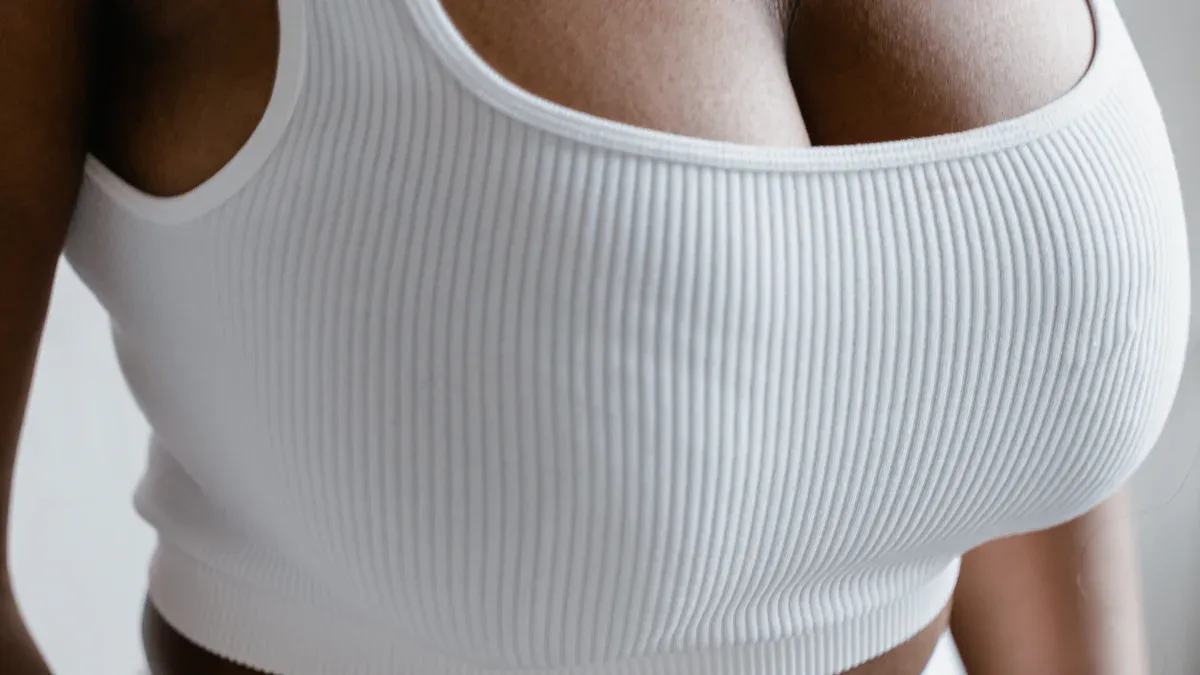
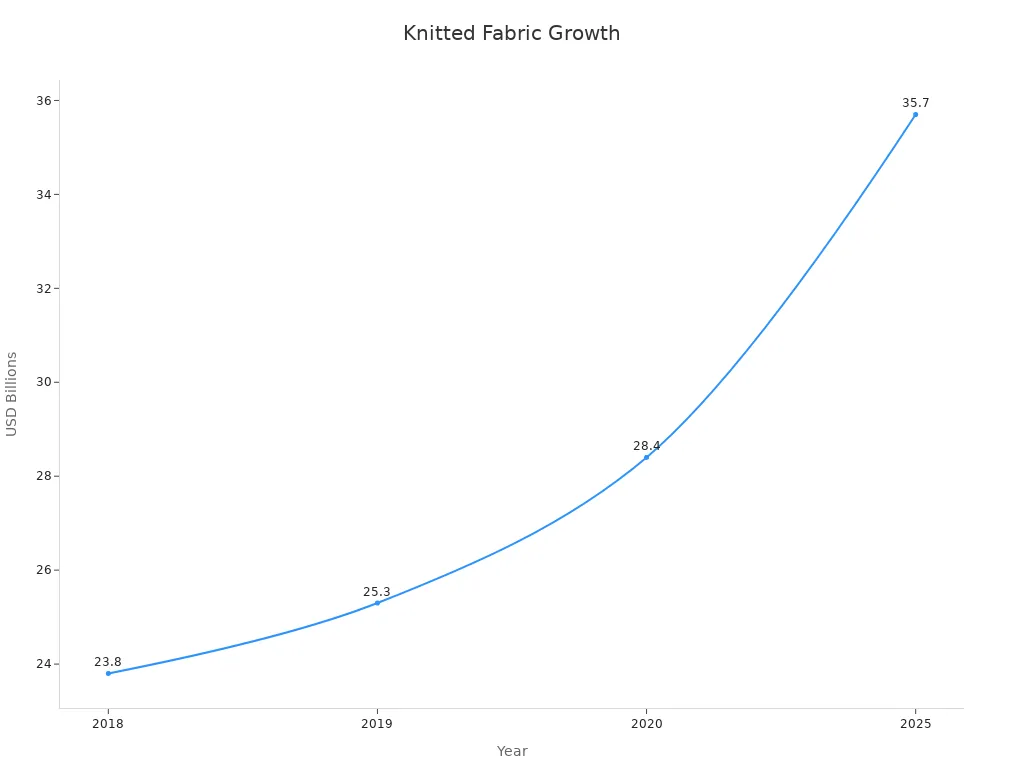
Ribbed Knit Fabric stands out in today’s fashion industry due to its signature vertical ridges and superior stretch. Designers value this material for its ability to combine comfort and style with reliable shape retention. The rising popularity of fitness and active lifestyles continues to drive demand for rib knit fabrics, especially in sportswear and athleisure. Manufacturers now enhance these fabrics with features like moisture-wicking and breathability. The global knitted fabric market, which includes ribbed knits, reached $28.4 billion in 2020 and is projected to grow steadily through 2025.
Key Takeaways
- Ribbed knit fabric features vertical ribs that provide excellent stretch, shape retention, and a unique textured look.
- Its double-knit construction makes it thicker, more stable, and resistant to curling, ideal for cuffs, collars, and waistbands.
- The fabric offers superior comfort with softness, breathability, and moisture-wicking, suitable for activewear and everyday clothing.
- Ribbed knit adapts well to various styles, from casual to high fashion, supporting fitted and relaxed garment designs.
- Common rib patterns like 1x1 and 2x2 offer different levels of stretch and texture for specific garment needs.
- Compared to other knits, ribbed knit excels in elasticity and durability, making it perfect for areas needing frequent movement.
- Ribbed knit fabric is easy to care for, durable, and supports sustainable fashion through recycled fibers and eco-friendly production.
- Innovations like smart textiles and customization options keep ribbed knit fabric relevant and versatile in modern fashion.
Defining Features of Ribbed Knit Fabric
Distinctive Texture and Structure
Raised Ribs and Vertical Lines
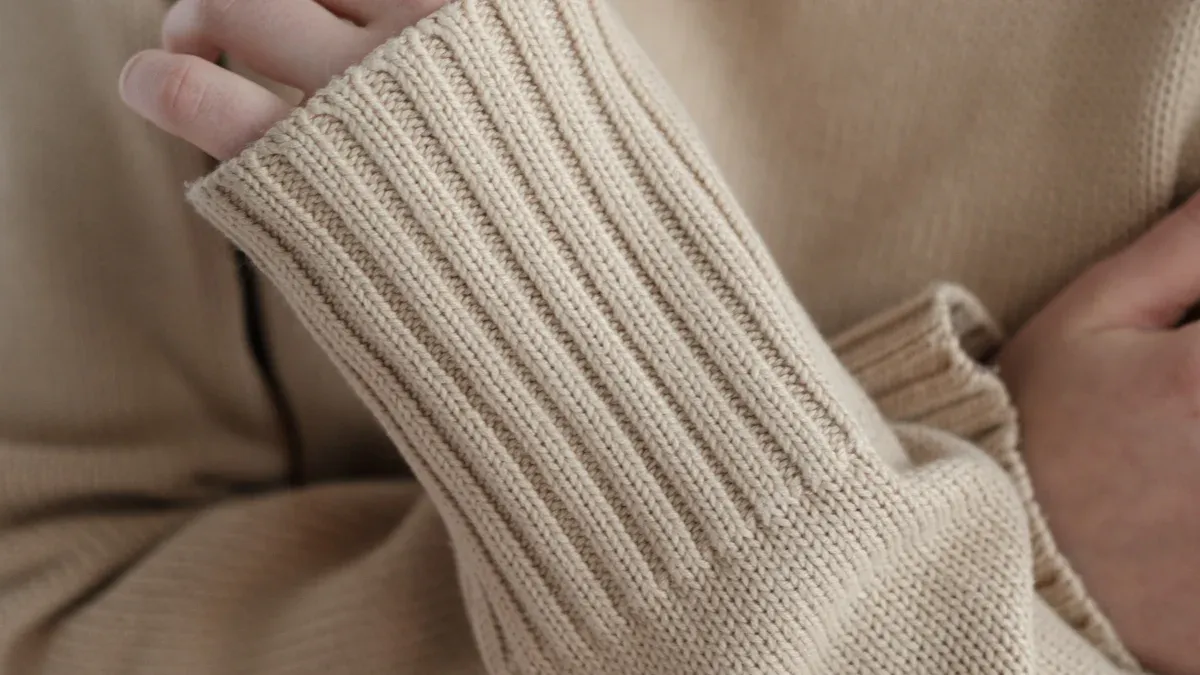
Ribbed knit fabric features a unique surface defined by raised ribs and vertical lines. These ridges form through alternating knit and purl stitches, creating a pattern that stands out both visually and to the touch. The vertical alignment of the ribs gives garments a structured appearance and adds depth to the fabric. Manufacturing studies show that the structure of ribbed knits responds to external forces, such as stretching or pressure, by visibly changing shape. This behavior highlights the fabric’s distinctive texture and its ability to withstand mechanical stress without losing its signature look.
Double-Knit Construction
Double-knit construction sets ribbed knit fabric apart from many other textiles. This method uses two sets of needles to create a fabric that is thicker and more stable than single knits. Advanced micro-simulations in textile manufacturing reveal that adjusting knitting machine settings can produce a variety of ribbed structures. These simulations demonstrate the fabric’s ability to stretch in multiple directions and maintain complex shapes. The double-knit technique also prevents curling at the edges, making the fabric ideal for cuffs, collars, and waistbands.
Superior Elasticity and Stretch
Natural Flexibility
The stitch arrangement in ribbed knit fabric gives it natural flexibility. Vertical rows of knit and purl stitches form a double-faced structure that stretches easily. Unlike plain jersey knits, ribbed knits do not curl at the edges and can expand and contract without losing their form. Technical measurements confirm that ribbed knits, such as 1x1 and 2x1 patterns, offer higher stretch percentages in both length and width. This flexibility allows garments to fit closely to the body while providing freedom of movement.
Shape Retention
Shape retention is a key advantage of ribbed knit fabric. The fabric’s structure, especially when blended with spandex or other elastic fibers, helps garments return to their original shape after stretching. Dimensional stability tests show that ribbed knits experience minimal shrinkage after washing, particularly in the direction of the rows. The presence of tuck stitches further improves recovery after deformation. Ribbed knits also demonstrate strong resistance to abrasion and bursting, making them durable choices for everyday wear.
Comfort and Wearability
Softness Against the Skin
Ribbed knit fabric feels soft and smooth against the skin. The combination of natural fibers like cotton or bamboo with the ribbed structure creates a gentle touch. The fabric’s stretch allows it to move with the body, reducing friction and irritation. Many people choose ribbed knits for loungewear and activewear because of this comfort.
Breathability and Warmth
- Bamboo rib knits provide natural breathability and moisture-wicking properties. They help keep the wearer dry and prevent odor.
- The ribbed texture maintains stretch and softness, allowing garments to fit well and move easily.
- Bamboo fabrics regulate temperature, keeping the wearer warm in cool weather and cool in warm conditions.
- Cotton rib knits offer similar comfort, with added durability and structure for layering and daily use.
- The combination of moisture management, breathability, stretch, and temperature regulation enhances the comfort and wearability of ribbed knit fabric.
Moisture-wicking properties pull sweat away from the skin, allowing it to evaporate quickly. This process helps regulate body temperature and prevents discomfort from dampness. Ribbed knit fabric, especially when made from bamboo or cotton, supports year-round comfort by adapting to changing conditions.
Visual Appeal in Fashion
Depth and Dimension
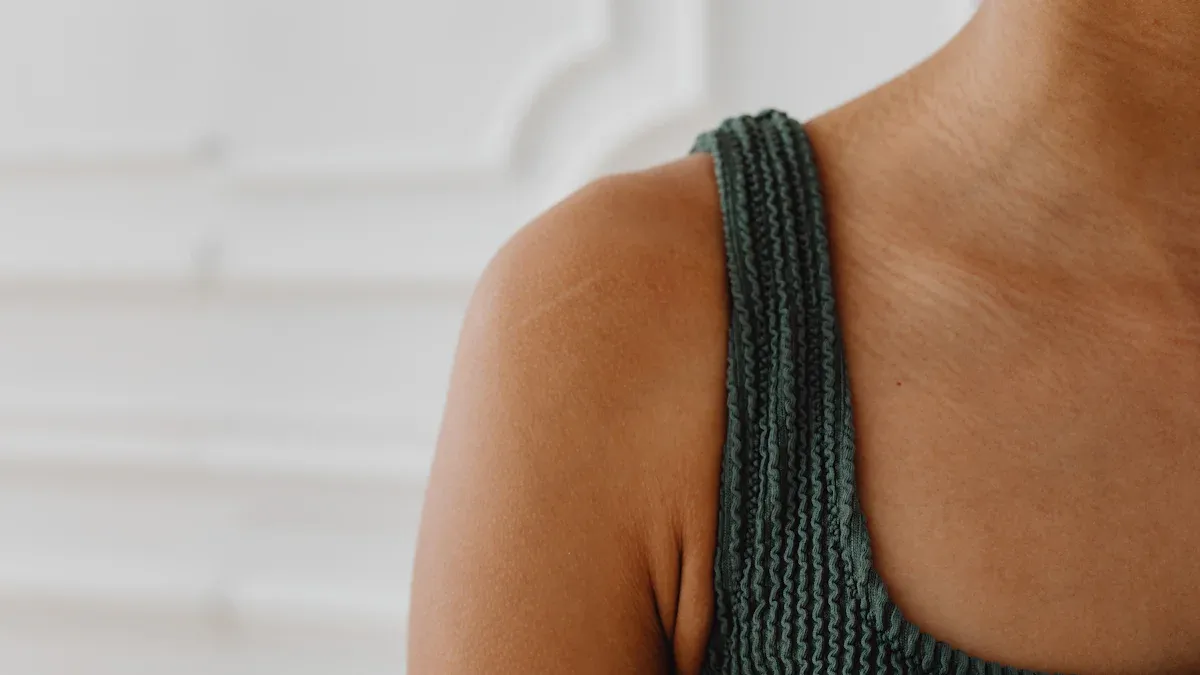
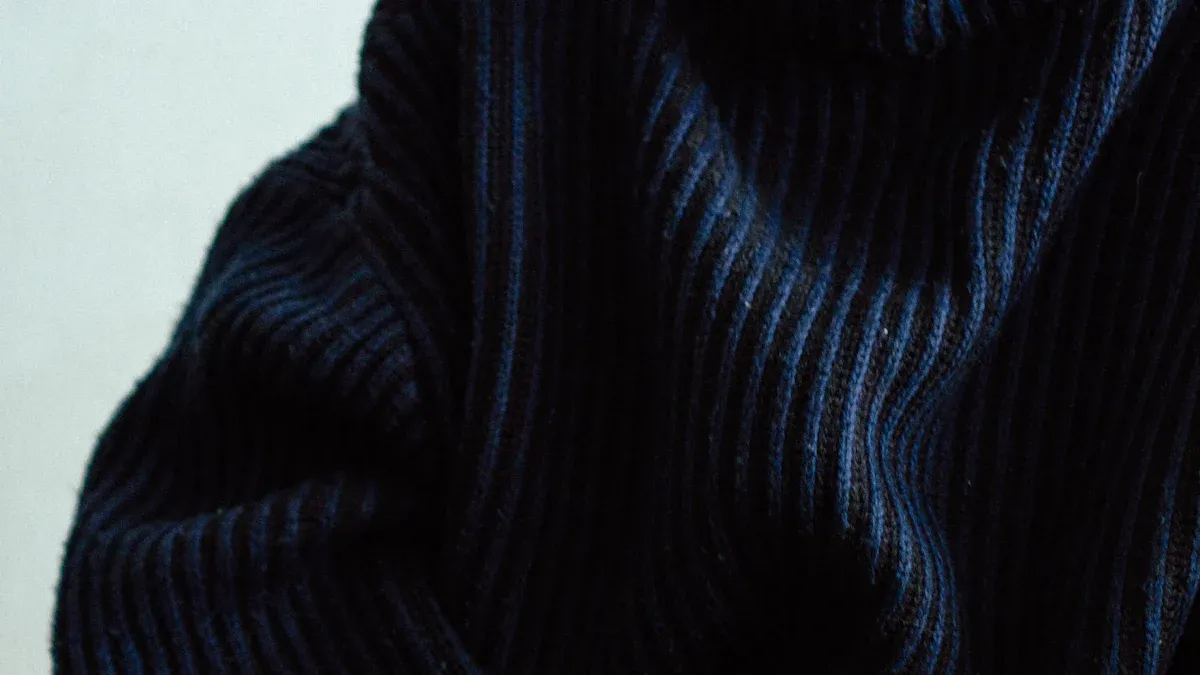
Ribbed knit fabric creates a striking visual effect through its raised ribs and vertical lines. These features give garments a sense of depth and dimension that flat fabrics cannot match. The alternating knit and purl stitches catch light in different ways, producing subtle shadows and highlights. This effect makes clothing appear more dynamic and textured.
Designers often choose ribbed knit fabric for its ability to add structure without stiffness. The fabric’s surface stands out on both simple and complex silhouettes. When used in body-hugging designs, the ribs emphasize the contours of the body, creating a flattering look. The interplay of light and shadow along the ribs draws attention to the garment’s shape and craftsmanship.
Note: Many high-fashion runways showcase ribbed knit fabric in their collections. Designers value the texture for its ability to make even basic pieces look sophisticated and modern.
Versatile Aesthetic
Ribbed knit fabric adapts to a wide range of styles, from casual to high-end fashion. Its versatility allows designers to use it in everything from everyday tops to statement runway pieces. The fabric’s stretch and recovery support both fitted and relaxed silhouettes, making it suitable for many garment types.
- Ribbed knit fabric appears in both casual and luxury collections, reflecting its broad appeal.
- Designers appreciate the fabric’s texture, which adds visual interest to garments.
- The form-fitting nature of ribbed knits contributes to stylish, body-hugging designs.
- Consumers respond positively to the fabric’s versatility and popularity in various fashion segments.
- The growing global knit fabric market highlights increasing demand for ribbed knits, driven by their aesthetic qualities.
Color and pattern options further enhance the fabric’s visual appeal. Designers can select from a range of rib patterns, fiber blends, and finishes to achieve the desired look. Whether used for a minimalist sweater or a bold, patterned dress, ribbed knit fabric delivers a modern, eye-catching result.
Types and Patterns of Ribbed Knit Fabric
Common Rib Patterns
Ribbed knit fabrics come in a variety of patterns, each offering unique characteristics and applications. The most common rib patterns include 1x1, 2x2, and 3x3 ribs. The table below summarizes these patterns and their typical uses:
| Rib Knit Pattern/Type | Description | Characteristics | Typical Applications |
|---|---|---|---|
| 1×1 Rib Knit | Alternates one wale with one course | Tight, compact ribs; high elasticity | Hems, cuffs, collars |
| 2×2 Rib Knit | Two wales alternated with two courses | Wider ribs than 1×1; stretchy | Hats, sweaters, scarves |
| 3×3 Rib Knit | Three wales alternated with one course | Wider center rib, narrower side ribs | Decorative garment details |
1x1 Rib
The 1x1 rib pattern alternates one knit stitch with one purl stitch. This structure creates tight, compact ribs that deliver excellent stretch and recovery. Designers often use 1x1 rib for hems, cuffs, and collars because it provides a snug fit and resists sagging over time. The elasticity of this pattern helps garments maintain their shape, even after repeated wear and washing.
2x2 Rib
The 2x2 rib pattern features two knit stitches followed by two purl stitches. This arrangement produces wider ribs and a more pronounced texture than 1x1 rib. The 2x2 rib offers enhanced stretch, making it ideal for hats, sweaters, and scarves. Its flexibility allows garments to fit comfortably on different body shapes, while the texture adds visual interest.
3x3 Rib and Beyond
Patterns like 3x3 rib use three knit stitches and three purl stitches, creating even wider ribs. Designers use these patterns for decorative details or statement pieces. Wider ribs provide a bold look and can add structure to garments. Some manufacturers also use variations such as 2x1 or flat rib knits for specific functional or aesthetic needs.
Specialty Ribbed Knits
Ottoman Rib
Ottoman rib features broad, flat ribs that create a distinctive, textured surface. This specialty knit often appears in structured garments, such as jackets or skirts, where designers want to add dimension and visual impact. The pronounced ribs of Ottoman knits stand out in both casual and formal fashion.
Corded Rib
Corded rib uses thicker yarns or special knitting techniques to produce raised, cord-like ribs. This pattern delivers a three-dimensional effect and extra durability. Corded rib fabrics often appear in outerwear and accessories, providing both style and strength.
Designers value specialty ribbed knits for their ability to create complex shapes and textures. Techniques like plated rib and multi-stepping narrowing allow for fully fashioned garments with unique silhouettes and surface effects.
Advanced Customization Options
Jacquard Rib Fabrics
Jacquard rib fabrics combine ribbed structure with intricate, multi-color designs. By varying the knitting pattern and yarn selection, manufacturers can create detailed motifs and patterns within the ribbed fabric. This customization enables brands to offer exclusive, eye-catching garments.
Printed and Dyed Rib Knits
Printed and dyed rib knits expand design possibilities. Advanced dyeing techniques ensure vibrant, uniform colors, while printing allows for personalized graphics and patterns. These options help designers match current trends and create standout pieces.
Brushed Rib Knits
Brushed rib knits undergo a finishing process that raises the fibers, resulting in a soft, plush texture. This treatment enhances comfort and warmth, making brushed rib knits popular for loungewear and cold-weather apparel.
Technical textile research confirms that advanced customization of ribbed knit fabrics relies on precise control of knitting patterns, yarn types, and structural design. By integrating different yarns and techniques, manufacturers achieve desired mechanical and functional properties, supporting both fashion and performance needs.
Impact of Rib Patterns on Performance
Stretch and Recovery
Rib patterns play a crucial role in determining the stretch and recovery of knit fabrics. The unique arrangement of alternating knit and purl stitches creates tension within the fabric, allowing it to expand and contract with ease. This structure gives ribbed knit fabrics their signature elasticity, which designers rely on for both comfort and fit.
- Rib knit fabrics often display significant crosswise stretch. Patterns such as 1x1 and 1x2 ribs provide exceptional elasticity, making them ideal for garment areas that require frequent movement, like sleeves, neckbands, and waistbands.
- Some advanced patterns, including 8x3 rib, offer multi-directional stretch. This feature enhances the adaptability of the fabric, allowing it to conform to various body shapes and movements.
- Stretch percentage and recovery ability serve as key performance metrics. High-quality ribbed knits can stretch up to twice their original width and return to their initial shape without sagging or distortion.
- The double-knit construction of ribbed fabrics prevents edge curling, which not only improves durability but also maintains the garment’s structure over time.
Ribbed knit fabrics typically weigh between 180 and 190 GSM, making them heavier and more robust than standard jersey knits. This added weight contributes to their resistance to snagging and abrasion. Manufacturers often select ribbed knits for high-stress applications, including automotive components and sportswear, due to their reliable performance under repeated use.
Tip: For designers seeking optimal stretch and recovery, choosing the right rib pattern is essential. Patterns with tighter ribs, such as 1x1, deliver maximum elasticity and shape retention.
Visual Texture
The visual texture of ribbed knit fabric depends heavily on the chosen rib pattern. Each pattern creates a distinct surface appearance, which influences both the look and feel of the final garment.
- Vertical lines formed by the ribs add depth and dimension to the fabric. Patterns like 8x3 rib produce pronounced, bumpy textures that catch light and create visual interest.
- The tactile quality of ribbed knits varies with the width and spacing of the ribs. Narrow ribs feel compact and smooth, while wider ribs offer a more dramatic, structured appearance.
- The texture not only enhances aesthetics but also impacts the fabric’s performance. A more textured surface can provide additional grip and stability, especially in activewear or accessories.
Designers often use ribbed knit fabrics to highlight garment details or create statement pieces. The interplay of light and shadow along the ribs draws attention to the craftsmanship and design, making ribbed knits a favorite for both functional and decorative applications.
Note: The combination of stretch, recovery, and visual texture makes ribbed knit fabric a versatile choice for modern fashion, supporting both performance and style in a single material.
Modern Uses of Ribbed Knit Fabric in Fashion
Popular Garments and Accessories
Sweaters and Cardigans
Sweaters and cardigans made from ribbed knit fabric remain wardrobe staples. The fabric’s elasticity and thermal insulation make it ideal for layering in cooler months. Market research shows that ribbed knit holds a significant share of the sweater segment, reflecting strong consumer preference for its comfort and style.
| Knitting Pattern Segment | Market Share in 2023 | Consumer Preference Indication |
|---|---|---|
| Plain Knit | ~35% | Largest market share, most preferred knitting pattern |
| Ribbed Knit | ~28% | Significant market share, indicating strong consumer preference |
| Cable Knit | N/A | Growing preference for unique and stylish sweaters |
| Jacquard Knit | N/A | Steady growth expected due to style preference |
Dresses and Skirts
Designers frequently use ribbed knit fabric for dresses and skirts. The fabric’s stretch and form-fitting properties create flattering silhouettes. Ribbed knit midi and strapless sweater dresses have become prominent trends, especially in spring collections. These garments transition easily from casual to dressy occasions.
T-Shirts and Tops
Ribbed knit tops and T-shirts offer a blend of comfort and style. The fabric’s breathability and moisture management make it suitable for both summer and winter wear. Many brands choose ribbed knit for its ability to maintain shape and provide a soft feel against the skin.
Hats, Scarves, and Gloves
Accessories like hats, scarves, and gloves benefit from the fabric’s warmth and elasticity. The rib structure traps air, enhancing thermal insulation while maintaining breathability. These qualities support wearer comfort in various weather conditions.
Cuffs, Collars, and Waistbands
Manufacturers often select ribbed knit for cuffs, collars, and waistbands. The fabric’s superior stretch and recovery ensure a snug fit that retains its shape over time. This application supports both function and style in activewear and casual garments.
Designer Preferences and Trends
Runway Highlights
Fashion week reviews highlight ribbed knit garments as versatile and wearable. Stylists identify ribbed knit midi and strapless sweater dresses as key trends, often pairing them with both casual and preppy accessories. Designers connect the fabric to a 90s flair, reinforcing its nostalgic appeal.
- Ribbed knit appears in major retailer collections, reflecting designer and market preference.
- The fabric’s adaptability allows for personal expression and trend awareness.
Everyday Wear and Athleisure
The merging of sportswear and urban fashion has increased demand for ribbed knit fabrics. Sports-inspired fashion, especially among younger consumers, drives the adoption of ribbed knit in casual, active, and high-fashion categories. The fabric’s moisture management and air permeability support its use in both summer activewear and winter garments.
Note: Designers and sewing enthusiasts praise ribbed knit for its timeless appeal and wearability, ensuring its relevance beyond fleeting trends.
Versatility Across Styles
Casual to Formal Applications
Market research shows that ribbed knit fabric enables wearers to move effortlessly between casual and formal settings. Innovations in fiber blends and knitting techniques enhance breathability, stretch, and durability. These qualities support its use in diverse garment types, from casual sweaters to elegant knitwear.
Layering and Standalone Pieces
Fashion trends identify knit co-ords and separates as highly versatile. Ribbed knit fabric ensures comfort and style, whether layered for warmth or worn as a statement piece. Its adaptability allows consumers to dress garments up or down, bridging the gap between casual and formal categories.
Advantages of Ribbed Knit Fabric for Designers and Brands
Creative Flexibility
Adaptability to Different Silhouettes
Designers value ribbed knit fabric for its remarkable adaptability. The unique manufacturing process, which alternates knit and purl stitches, produces a fabric that stretches up to 100% and recovers its shape with ease. This elasticity allows the material to contour to a wide range of body shapes and garment styles. Designers use ribbed knits for everything from fitted dresses and tops to relaxed loungewear and structured outerwear. The fabric’s versatility extends to both warm and cool climates, supporting year-round collections. Multiple rib types, such as 1x1, 2x2, and 4x4, each offer distinct levels of stretch and bulk, giving designers the freedom to select the perfect texture and fit for their vision.
Ease of Dyeing and Printing
Ribbed knit fabric accepts dyes and prints exceptionally well. The surface texture, created by raised ribs and grooves, provides visual interest without overwhelming printed or dyed patterns. Brands can achieve vibrant, uniform colors or intricate designs, enhancing the uniqueness of each collection. The fabric’s structure supports advanced customization, including jacquard patterns and heat transfer applications, making it a preferred choice for brands seeking to stand out in the market.
Production Benefits
Efficient Manufacturing
Manufacturers benefit from the efficient production of ribbed knit fabrics. Several key practices contribute to this efficiency:
- Regular machine maintenance reduces downtime and costly repairs.
- Optimized machine settings minimize waste and improve fabric quality.
- High-quality yarns decrease thread breakage and defects.
- Lean manufacturing principles streamline material flow.
- Skilled operators handle machines effectively, reducing errors.
- Automation increases speed and accuracy.
- Smart production planning minimizes setup and changeover times.
- Performance monitoring identifies areas for improvement.
- Quality control prevents defects and rework.
- Continuous improvement drives sustainable success.
These strategies ensure a reliable supply of high-quality fabric for brands and designers.
Cost-Effectiveness
Ribbed knit fabric offers cost advantages due to its efficient manufacturing process and minimal waste. Brands can produce a wide range of garments without excessive material costs. The fabric’s durability reduces the need for frequent replacements, further supporting cost savings.
Low Minimum Order Quantities
Suppliers like Suerte support designers and small brands by offering low minimum order quantities. This flexibility allows emerging labels to experiment with new designs and colors without committing to large inventory investments. Quick sample delivery and responsive production schedules help brands bring products to market faster.
Consumer Appeal
Durability and Longevity
Ribbed knit fabric stands out for its durability. The unique stitch pattern creates a strong, resilient structure that resists wear and tear. The fabric’s elasticity and recovery ensure garments maintain their shape and appearance over time. Consumers appreciate clothing that looks new after repeated washing and wearing.
- Superior stretch and recovery
- Wrinkle resistance
- Enhanced body contouring
- Softness and breathability
These qualities make ribbed knit garments a favorite for both casual and formal wear.
Easy Care and Maintenance
Consumers enjoy the easy care of ribbed knit fabric. The material resists wrinkles and requires little ironing. Most garments can be machine washed and dried, saving time and effort. The fabric’s breathability and comfort add to its everyday appeal.
Tip: Ribbed knit fabric’s combination of style, comfort, and practicality ensures ongoing popularity among designers, brands, and consumers.
Comparison of Ribbed Knit Fabric with Other Knit Fabrics
Ribbed Knit vs. Jersey Knit
Structure and Stretch
Ribbed knit fabric features alternating knit and purl stitches, which create vertical ribs on both sides of the material. This structure gives ribbed knit its signature stretch and excellent shape retention. In contrast, jersey knit fabric uses a single knit construction, resulting in a smooth front and a slightly textured back. Jersey knit feels softer and lighter but does not offer the same level of elasticity as ribbed knit.
The loop structure in ribbed knit allows for greater transverse elasticity and better elastic recovery. After repeated stretching, ribbed knit maintains its shape and stability. Jersey knit, while comfortable, tends to stretch less and may lose its form over time.
| Metric / Feature | Ribbed Knit Fabric | Jersey Knit Fabric |
|---|---|---|
| Structure | Alternating knit and purl stitches creating vertical ribs on both sides | Single knit with smooth front and slightly textured back |
| Stretchability | Very stretchy, especially in transverse direction | Less stretch, thinner and softer fabric |
| Elastic Recovery | Greater stretch and recovery, good dimensional stability | Moderate elasticity, less recovery than rib knit |
| Thickness & Texture | Thicker, more textured due to rib pattern | Lightweight, smooth on one side |
Use Cases
Designers often choose ribbed knit for garment parts that require elasticity and shape retention, such as collars, cuffs, and hems. The fabric’s resilience makes it ideal for areas that experience frequent movement. Jersey knit, on the other hand, works best for larger, softer garments like T-shirts and underwear. Its lightweight feel and breathability provide comfort for everyday wear.
Tip: Ribbed knit excels in applications where stretch and recovery matter most, while jersey knit remains a favorite for softness and drape.
Ribbed Knit vs. Interlock Knit
Thickness and Warmth
Interlock knit fabric stands out for its double-knit construction, which produces a thicker and more stable material compared to both ribbed and jersey knits. Interlock knit offers superior warmth and a smooth surface on both sides. Ribbed knit, while also thicker than jersey, provides more flexibility and stretch due to its ribbed structure.
Visual Differences
Ribbed knit displays visible vertical ribs, giving garments a textured and dimensional look. Interlock knit, in contrast, appears smooth and uniform, with no pronounced surface pattern. This difference influences the visual appeal and the types of garments each fabric suits. Ribbed knit adds depth and interest, while interlock knit delivers a clean, classic finish.
Ribbed Knit vs. Pique Knit
Texture and Applications
Ribbed knit fabric is known for its form-fitting stretch, making it a top choice for cuffs, collars, and waistbands. The vertical ribs provide both function and style. Pique knit, however, features a subtle raised texture, often described as diamond or honeycomb patterns. This texture enhances breathability and moisture-wicking, which is why pique knit is popular in polo shirts and sportswear.
| Feature | Ribbed Knit Fabric | Pique Knit Fabric |
|---|---|---|
| Structure | Vertical ribs on both sides | Textured pattern (diamond, honeycomb) on top side |
| Elasticity | Excellent elasticity in both directions | Less emphasis on stretch |
| Common Uses | Cuffs, collars, waistbands; form-fitting garments | Polo shirts, sportswear; valued for breathability |
| Additional Properties | Lycra can be added for extra stretch | Known for moisture management and subtle texture |
Performance Characteristics
Ribbed knit offers superior elasticity and shape retention, making it ideal for areas that need to stretch and recover repeatedly. Pique knit, while less stretchy, excels in breathability and moisture management. The unique structure of pique knit keeps wearers cool and comfortable during physical activity. Ribbed knit, especially when blended with spandex or Lycra, maintains its form and provides a snug fit, supporting both performance and style in modern fashion.
Note: Each knit fabric brings unique strengths to the table. Designers select the best option based on the desired balance of stretch, texture, and performance for their garments.
Ribbed Knit vs. French Terry
Comfort and Use Cases
Ribbed knit and French terry both offer comfort, but they serve different needs in fashion. Ribbed knit fabric features vertical ridges that create a stretchy, body-conforming fit. This structure allows garments to move with the wearer, providing flexibility and support. Many people choose ribbed knit for items that require a snug fit, such as cuffs, collars, waistbands, and fitted tops. The fabric feels soft against the skin and maintains its shape after repeated wear.
French terry, on the other hand, uses a looped pile on one side and a smooth surface on the other. This design creates a plush, absorbent texture that feels cozy and warm. French terry excels in loungewear, sweatshirts, joggers, and casual dresses. The fabric absorbs moisture well, making it a favorite for activewear and athleisure. French terry garments often feel slightly heavier than ribbed knit pieces, offering extra warmth without bulk.
| Feature | Ribbed Knit Fabric | French Terry Fabric |
|---|---|---|
| Surface Texture | Vertical ribs, stretchy | Smooth outside, looped inside |
| Comfort Level | Soft, body-hugging | Plush, cozy, slightly heavier |
| Best Use Cases | Fitted tops, cuffs, waistbands | Sweatshirts, joggers, loungewear |
| Moisture Management | Good with natural fibers | Excellent absorbency |
| Warmth | Moderate, depends on fiber blend | High, traps warmth |
Tip: Choose ribbed knit for garments that need stretch and shape retention. Select French terry for pieces that require softness and warmth.
Unique Benefits and Limitations
Ribbed knit fabric stands out for its elasticity and shape retention. Designers use it to create garments that hug the body and recover their form after stretching. The fabric adapts to different silhouettes, making it ideal for both fitted and relaxed styles. Ribbed knit also resists wrinkling and requires little maintenance. Brands like Suerte offer customizable ribbed knit options, allowing for unique patterns, colors, and finishes.
French terry provides superior moisture absorption and a soft, luxurious feel. The looped interior wicks sweat away from the skin, keeping the wearer comfortable during physical activity. French terry’s structure adds warmth, making it suitable for cooler climates. However, French terry does not offer the same level of stretch as ribbed knit. Garments may feel looser and less form-fitting.
- Exceptional stretch and recovery
- Versatile for various garment types
- Easy to care for and durable
Key Benefits of French Terry:
- Plush comfort and warmth
- Excellent moisture management
- Ideal for casual and athletic wear
Designers often select ribbed knit when they need a fabric that combines style, stretch, and structure. French terry works best for relaxed, cozy pieces that prioritize comfort and absorbency. Both fabrics play important roles in modern fashion, each offering distinct advantages for different applications.
Benefits of Ribbed Knit Fabric for Wearers
Enhanced Fit and Comfort
Body-Conforming Qualities
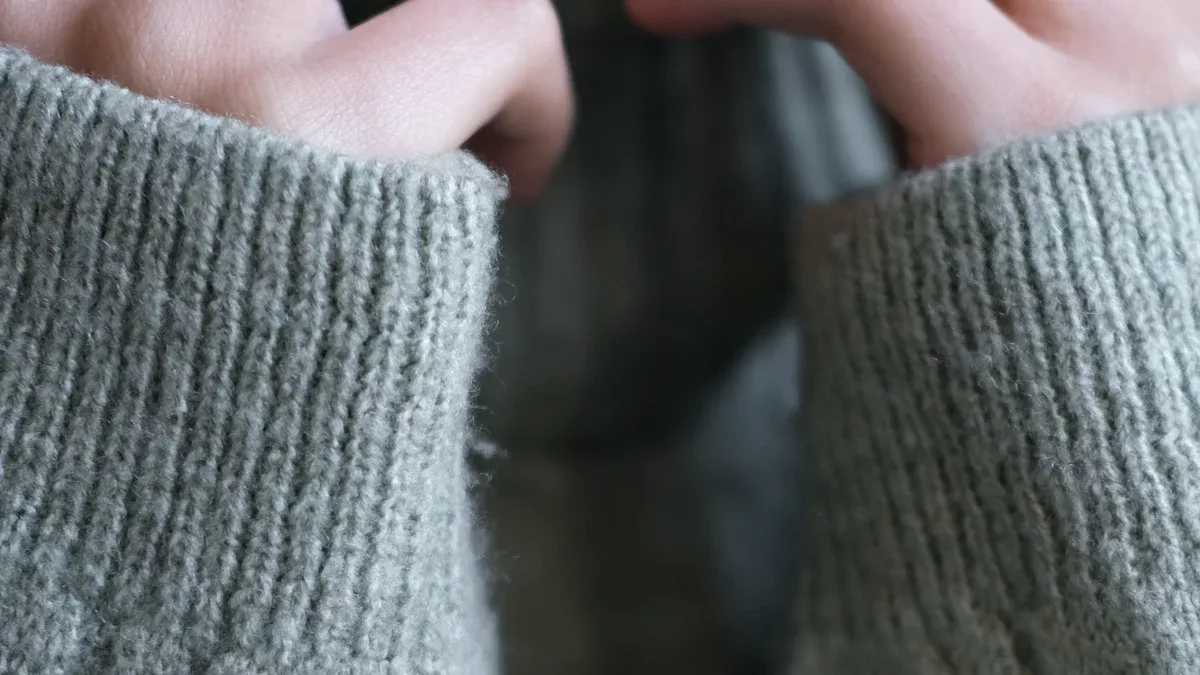
Ribbed knits provide a unique fit that adapts to the body’s shape. The alternating knit and purl stitches create vertical ribs, which allow the fabric to stretch and recover quickly. This structure supports a snug, body-conforming fit that does not restrict movement. Laboratory tests show that 1x1 rib knitting offers greater flexibility and recovery than plain fabrics. The vertical ribs stabilize hems and prevent sagging, even after frequent wear. Garments maintain their shape and fit, thanks to high tensile strength and elastic recovery, even after more than 1,500 wash cycles. Cotton-spandex blends further enhance breathability and stretch, making these garments comfortable for daily wear.
Freedom of Movement
Wearers experience freedom of movement due to the fabric’s elasticity. Ribbed knits withstand tugging and pulling, which makes them ideal for active lifestyles. Synthetic fiber blends improve moisture management, keeping wearers dry during physical activity. Consumer feedback and stress testing confirm that ribbed hems maintain structure and comfort better than non-ribbed alternatives, especially in athletic and casual clothing.
Tip: Following care recommendations, such as lukewarm washing and air drying, helps preserve the fabric’s integrity and extends garment lifespan.
Style and Versatility
Flattering Silhouette
Ribbed knits offer a flattering silhouette for many body types. The fabric’s stretch and recovery create a smooth, contoured look. Designers use ribbed knits in a variety of garment styles, from fitted tops to dresses and accessories. The table below highlights the versatility and style options available:
| Aspect | Evidence | Explanation |
|---|---|---|
| Design Variety | Multiple collar types, varied openings, and sleeves in design sketches | Adapts to diverse garment styles and details |
| Pattern and Texture | Contrasting patterns, ribbing with checks, jacquard, and plain stitches | Enables creative styling and visual versatility |
| Construction | Simple and complex shapes, handmade and machine-made buttonholes | Supports both decorative detail and production efficiency |
| Production Technology | Flat bed knitting machines add ribbing, piping, pockets, and belts | Expands stylistic options and enhances garment construction |
| Collaborative Roles | Designers and technical staff work together for quality and fit | Integrates creative and technical expertise for optimal results |
| Historical Context | Investment in design training and sampling departments | Reflects the growing importance of design in knitwear versatility |
Year-Round Wearability
Ribbed knits transition easily between seasons. The fabric’s breathability and moisture management keep wearers comfortable in both warm and cool weather. Designers often select ribbed knits for layering pieces, ensuring year-round utility.
Practical Advantages
Easy Layering
Ribbed knit tees and tops feature a slim fit and lightweight construction, making them perfect for layering. Wearers can add these garments under cardigans or blazers without adding bulk. The stretchiness and softness of the fabric enhance comfort and adaptability in various outfits.
- Knitted t-shirts work well for layering in cooler weather or to add depth to an outfit.
- The lightweight nature avoids bulk, supporting versatile styling.
- Ribbed knits can be layered for warmth or worn alone for a sleek look.
Low Maintenance
Ribbed knits require minimal care. Most garments are machine washable on gentle cycles and resist wrinkles, saving time and effort. Minimal ironing is needed, often just low heat or steaming. User reviews highlight the fabric’s comfort, versatility, and ease of care, making it a popular choice for travel and everyday wear.
- Machine washable with minimal ironing required.
- Wrinkle resistance and elasticity contribute to practical benefits.
- Following manufacturer care instructions helps retain shape and color for long-lasting comfort and style.
Sustainability and Future Trends in Ribbed Knit Fabric
Eco-Friendly Ribbed Knits
Use of Recycled Fibers
The textile industry continues to prioritize sustainability, and ribbed knit fabric stands at the forefront of this movement. Manufacturers now incorporate recycled polyester, organic cotton, and bio-based nylon into ribbed knits. These fibers reduce reliance on virgin materials and help lower the environmental footprint of garment production. Leading companies invest in eco-friendly yarns and chemical recycling processes, ensuring that ribbed knit fabrics meet both quality and sustainability standards. The market forecast for knitted fabrics, which includes ribbed knits, highlights the growing demand for recycled content as a key driver for future growth.
Brands like Suerte offer customizable ribbed knit fabrics using sustainable fiber blends, supporting designers who seek to align their collections with eco-conscious values.
Sustainable Production Methods
Modern production methods further enhance the sustainability of ribbed knit fabrics. Computerized electronic flat-bed knitting machines now produce seamless, waste-free garments. This technology eliminates the need for cutting and sewing, which reduces fabric waste and energy consumption. Factories also adopt energy-efficient finishing plants and enzymatic processes to minimize chemical use. Digital transformation and data analytics optimize production efficiency, helping manufacturers track and improve their sustainability performance. Novel coloration techniques, such as green synthesized silver nanoparticles, add antibacterial properties and durability to polyester rib knits while reducing environmental impact.
- Waste reduction through seamless knitting
- Energy savings from efficient machinery
- Advanced finishing for improved fabric longevity
These advancements position ribbed knit fabric as a responsible choice for brands and consumers alike.
Innovations in Ribbed Knit Design
Smart Textiles
Ribbed knit fabric now plays a vital role in the development of smart textiles. Researchers have integrated silver-based conductive yarns into ribbed knit structures, creating stretch sensors that monitor physiological signals. These sensors track respiration and movement, offering reliable performance even after repeated stretching. Studies confirm that ribbed knits with embedded sensors maintain durability and chemical stability, making them suitable for wearable technology. This innovation opens new possibilities for health monitoring, sportswear, and adaptive clothing.
Customization and Personalization
Customization remains a major trend in ribbed knit design. Advanced knitting platforms and digital printing systems allow brands to tailor garment fit, color, and pattern to individual preferences. Case analyses show that personalized ribbed knit garments improve user satisfaction and adherence. Designers can now create unique pieces with jacquard patterns, printed graphics, or special finishes, all while maintaining the fabric’s signature stretch and comfort.
The future of ribbed knit fabric lies in its ability to combine sustainability, smart functionality, and personalized style, ensuring continued relevance in a rapidly evolving fashion landscape.
The fashion industry continues to value ribbed knit fabric for its structure, comfort, and adaptability. Market reports show strong growth in the global knitwear sector, driven by expanding applications and rising consumer demand for sustainable products.
| Evidence Aspect | Details |
|---|---|
| Market Growth Projection | CAGR of nearly 5% from 2021 to 2031, reaching $40 billion |
| Knitwear Market Growth | CAGR of 12.10% from 2022 to 2029, over $1.6 trillion |
| Sustainability Focus | Circular economy, eco-friendly materials, waste reduction |
| Technological Advancements | IoT, smart manufacturing, robotisation |
Ongoing innovation and sustainability efforts ensure ribbed knits remain relevant in modern fashion.
FAQ
What makes ribbed knit fabric different from other knits?
Ribbed knit fabric features vertical ridges created by alternating knit and purl stitches. This structure gives the fabric superior stretch, shape retention, and a textured appearance. Designers often choose ribbed knits for both style and function.
How should ribbed knit garments be cared for?
Most ribbed knit garments require gentle machine washing with mild detergent. Air drying helps preserve elasticity and shape. Avoid high heat when ironing. Always follow the care label for best results.
Can ribbed knit fabric be customized for specific projects?
Yes. Suerte offers ribbed knit fabrics in various fiber blends, rib patterns, and finishes. Designers can select custom colors, prints, and even jacquard designs to match their creative vision.
Which garments benefit most from ribbed knit fabric?
Ribbed knit fabric works well for sweaters, cardigans, dresses, tops, hats, scarves, cuffs, collars, and waistbands. Its stretch and recovery make it ideal for both fitted and relaxed styles.
Is ribbed knit fabric suitable for year-round wear?
Absolutely. Ribbed knit fabric provides breathability and warmth, depending on the fiber blend. Cotton and bamboo blends offer comfort in summer, while thicker knits provide insulation in winter.
Does ribbed knit fabric support sustainable fashion?
Many manufacturers, including Suerte, offer ribbed knit fabrics made from recycled fibers and use eco-friendly production methods. These options help brands meet sustainability goals.
Can ribbed knit fabric be printed or embellished?
Yes. Ribbed knit fabric accepts printing, dyeing, and heat transfer vinyl applications. Suerte provides guidance to ensure vibrant, long-lasting designs on textured surfaces.
What are the main advantages of choosing Suerte Ribbed Knit Fabric?
Suerte Ribbed Knit Fabric offers durability, customization, low minimum order quantities, and fast sample delivery. Designers receive expert support and access to a wide range of styles and finishes.